Exploring the Intricacies of DDG 91: A Naval Marvel
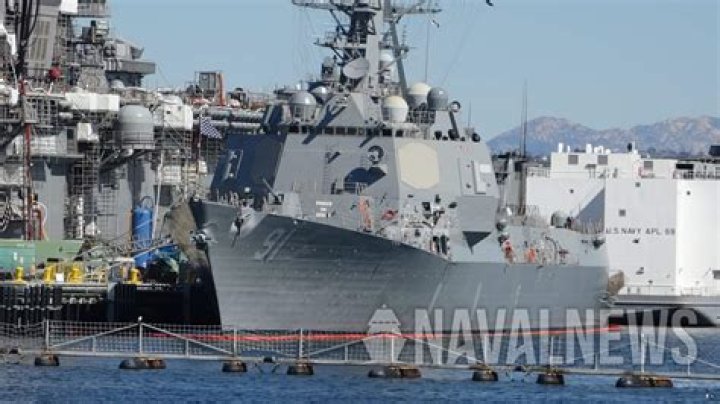
In the realm of modern naval warfare, few vessels capture attention like the DDG 91. This Arleigh Burke-class destroyer is not just a ship; it represents a significant leap in naval technology and strategy. Commissioned into the United States Navy, DDG 91 is a symbol of power, versatility, and advanced warfare capabilities. As we delve deeper into the essence of DDG 91, we will uncover its features, operational history, and the impact it has had in maritime defense.
With a length of 509 feet and a beam of 66 feet, the DDG 91 boasts impressive dimensions that allow it to navigate through the most challenging maritime environments. Equipped with cutting-edge radar and weapon systems, this destroyer can engage in a variety of missions, from anti-air warfare to surface combat operations. Its design incorporates stealth technology, making it difficult for adversaries to detect and target. DDG 91 stands as a testament to the United States' commitment to maintaining a dominant naval presence worldwide.
As we explore the fascinating world of DDG 91, we will address various aspects of this remarkable destroyer. From its inception and construction to its operational deployments and the role it plays in modern naval strategy, each section will provide insights into what makes DDG 91 a vital asset to the U.S. Navy. Join us in this journey as we navigate through the waters of history and technology, illuminating the significance of DDG 91 in the context of naval warfare.
What is the Biography of DDG 91?
The DDG 91, also known as the USS Winston S. Churchill, was commissioned on July 19, 2003. Named in honor of the British Prime Minister Winston Churchill, this destroyer has embarked on several notable missions throughout its service. Its construction began in 1999, and it was launched in 2001. Since then, DDG 91 has played a crucial role in various operations, demonstrating the capabilities of the U.S. Navy in both peacetime and wartime scenarios.
| Attribute | Details |
|---|---|
| Name | USS Winston S. Churchill (DDG 91) |
| Commissioned | July 19, 2003 |
| Length | 509 feet |
| Beam | 66 feet |
| Speed | 30+ knots |
| Crew | Approximately 300 personnel |
| Homeport | Norfolk, Virginia |
How Does DDG 91 Contribute to Modern Naval Strategy?
As a quintessential component of the U.S. Navy's fleet, DDG 91 plays a multifaceted role in contemporary naval strategy. It is primarily designed for anti-air warfare, providing protection to carrier strike groups and surface vessels. Equipped with the Aegis Combat System, DDG 91 can track and engage multiple aerial targets simultaneously. This capability is crucial in maintaining air superiority and ensuring the safety of naval operations.
What Advanced Technologies Are Integrated into DDG 91?
DDG 91 is a showcase of advanced naval technology. Some key features include:
- Aegis Combat System: An integrated naval weapon system that uses powerful radar to track and guide weapons to destroy enemy targets.
- SPY-1 Radar: A multi-function phased array radar that provides surveillance and target tracking capabilities.
- Vertical Launch System (VLS): Allows for the launch of a variety of missiles, including Tomahawk cruise missiles and Standard missiles for air defense.
- Stealth Design: Reduces the ship's radar cross-section, making it less detectable by enemy forces.
What Missions Has DDG 91 Undertaken?
Throughout its service, DDG 91 has participated in numerous missions, showcasing its versatility and operational readiness. Some notable deployments include:
- Counter-piracy operations in the Gulf of Aden.
- Humanitarian assistance missions following natural disasters.
- Joint exercises with allied nations to enhance interoperability.
- Participation in Operation Inherent Resolve against ISIS.
How Does DDG 91 Support International Collaboration?
The presence of DDG 91 in international waters serves to strengthen relationships with allied nations. By participating in joint exercises and operations, the destroyer fosters collaboration and enhances the collective security of maritime regions. These engagements not only improve tactical proficiency but also build trust among allied forces, which is essential for addressing shared security challenges.
What Are the Future Prospects for DDG 91?
As DDG 91 continues its service, the future looks promising. The U.S. Navy is committed to maintaining and upgrading its fleet to meet evolving threats. Planned upgrades for DDG 91 include enhancements to its combat systems and weaponry, ensuring it remains effective against emerging challenges. Additionally, the ongoing development of new technologies will likely be integrated into the ship, further extending its operational lifespan and capabilities.
Why Is DDG 91 Considered a Naval Asset?
DDG 91 is regarded as a vital asset for several reasons:
- Operational Versatility: Its ability to perform various missions, from air defense to land attack, makes it indispensable.
- Advanced Technology: The integration of cutting-edge systems ensures it can respond to modern threats effectively.
- Strategic Presence: DDG 91's deployments contribute to U.S. naval presence in key regions, deterring aggression and promoting stability.
Conclusion: The Legacy of DDG 91
In summary, DDG 91 stands as a remarkable example of modern naval engineering and strategic capability. Its combination of advanced technology, operational versatility, and international collaboration underscores its importance in the U.S. Navy's fleet. As we look to the future, DDG 91 will continue to play a pivotal role in maritime security, ensuring that the United States maintains its position as a formidable naval power.