Ink Masters: The Life and Artistry of Tattoo Artists
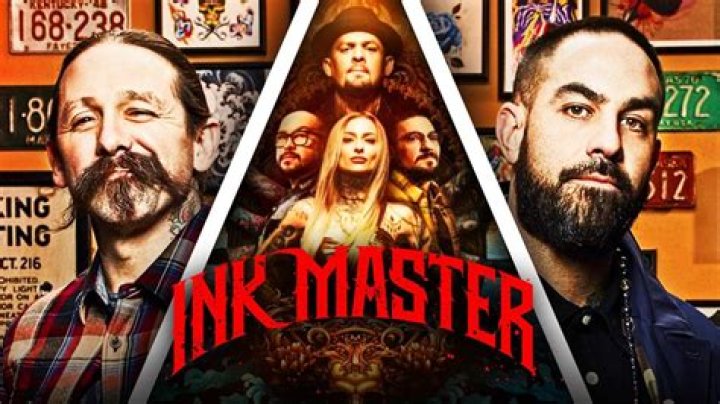
The world of tattoo artistry is as vibrant and diverse as the ink that adorns the skin of countless individuals. Tattoo artists are not just skilled craftsmen; they are storytellers, historians, and passionate creators who breathe life into the canvas of human skin. With each needle prick and swirl of color, they transform personal stories, memories, and emotions into stunning visual representations. The artistry involved in tattooing goes far beyond mere aesthetics; it embodies cultural significance, personal identity, and a deep connection between the artist and their clients.
From the moment a client walks into a tattoo studio, they begin a journey that intertwines their life experiences with the unique vision of the tattoo artist. The relationship established during this process is often one of trust and collaboration, as the artist works diligently to ensure that the final piece is a true reflection of the individual’s desires and personality. The tattoo artist’s role extends beyond the physical act of applying ink; they become confidants, advisers, and sometimes even therapists, as clients share their stories and inspirations.
In a world where self-expression is increasingly celebrated, tattoo artists have risen to prominence, gaining recognition not only for their technical skills but also for their ability to connect with people on a profound level. Their work has transcended traditional boundaries, evolving into a respected form of fine art that resonates with diverse audiences. This article will explore the multifaceted world of tattoo artists, delving into their backgrounds, creative processes, and the impact they have on individuals and society at large.
What is the Background of a Tattoo Artist?
Tattoo artists often come from various artistic backgrounds, bringing unique perspectives and skills to their craft. Many have formal training in art or design, while others may have honed their skills through apprenticeships or self-study. The journey to becoming a tattoo artist typically involves:
- Developing artistic techniques through drawing and painting.
- Gaining experience with tattoo equipment and hygiene practices.
- Building a portfolio of artwork to showcase their style and capabilities.
- Networking within the tattoo community to find mentorship and opportunities.
Who is a Famous Tattoo Artist?
One of the most renowned tattoo artists in the world is Kat Von D. Known for her stunning portraits and intricate designs, Kat has made a significant impact on the tattoo industry and pop culture. She gained fame through her appearances on reality television shows, which introduced her artistry to a broader audience. Below is a brief biography of Kat Von D:
| Personal Details | Data |
|---|---|
| Name | Kat Von D |
| Birthdate | March 8, 1982 |
| Nationality | Mexican-American |
| Occupation | Tattoo Artist, Television Personality, Entrepreneur |
| Notable Works | LA Ink, High Voltage Tattoo |
What Makes a Tattoo Artist Unique?
The uniqueness of a tattoo artist lies in their individual style, which often reflects their personality and influences. Some tattoo artists specialize in specific styles, such as traditional, realism, neo-traditional, or abstract. This specialization helps them stand out in a competitive industry. Additionally, a tattoo artist's ability to connect with clients and understand their visions sets them apart. This connection is essential for creating meaningful tattoos that resonate with the individual.
How Do Tattoo Artists Create Their Designs?
The creative process for tattoo artists typically involves several steps:
- Consultation: The artist meets with the client to discuss ideas, themes, and preferences.
- Sketching: The artist creates a preliminary design based on the consultation.
- Refinement: Feedback from the client is incorporated to finalize the design.
- Tattooing: The artist carefully applies the tattoo, ensuring precision and care.
What Skills Does a Tattoo Artist Need?
To excel in the field, a tattoo artist must possess a variety of skills, including:
- Strong artistic talent and creativity.
- Knowledge of tattoo techniques and equipment.
- Attention to detail and precision.
- Excellent communication and interpersonal skills.
- Understanding of health and safety regulations.
How Do Tattoo Artists Keep Up with Trends?
The tattoo industry is constantly evolving, with new styles and trends emerging regularly. Tattoo artists stay current by:
- Attending tattoo conventions and expos to network and learn.
- Following other artists and trends on social media platforms.
- Participating in workshops and continuing education opportunities.
- Experimenting with new techniques and styles in their own work.
What Impact Do Tattoo Artists Have on Society?
Tattoo artists play a significant role in shaping societal perceptions of body art. They contribute to the normalization of tattoos as a form of self-expression and art. As more people embrace tattoos, artists help foster conversations about identity, culture, and individuality. Their work often challenges stereotypes and promotes acceptance, encouraging individuals to celebrate their unique stories through body art.
In conclusion, tattoo artists are much more than ink slingers; they are skilled artisans who elevate the human experience through their creativity and personal connections. As the tattoo industry continues to thrive, the influence of tattoo artists will undoubtedly remain significant, as they inspire individuals to express themselves and embrace their unique narratives.