Tinto Brass and Carla: An Exploration of Their Artistic Journey and Impact
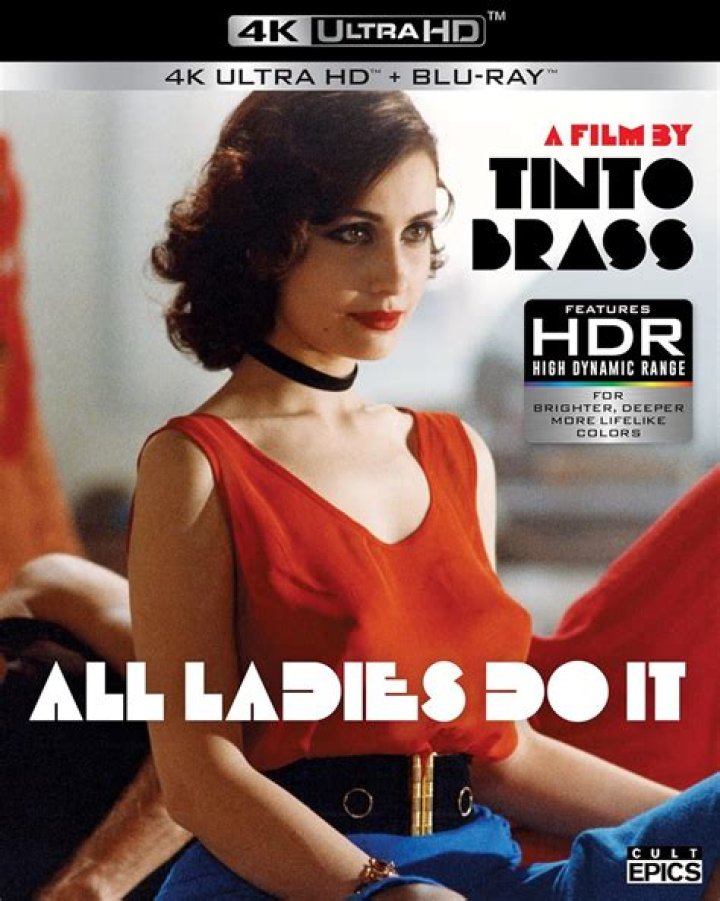
Tinto Brass and Carla represent a unique intersection of cinema and personal narrative, capturing the essence of erotic art in film. Their collaborative work has sparked conversations about sexuality, creativity, and the boundaries of artistic expression. This article takes an in-depth look at their relationship, their contributions to the film industry, and the legacy they have created together.
In the world of cinema, few partnerships evoke as much intrigue and fascination as that of Tinto Brass and Carla. Tinto Brass, an acclaimed Italian director known for his provocative storytelling, found in Carla a muse who not only inspired his work but also became an integral part of his cinematic vision. Together, they have challenged societal norms and pushed the envelope of eroticism in film, creating a body of work that continues to resonate with audiences and critics alike.
As we delve into their story, we will explore their backgrounds, the evolution of their partnership, and the impact of their films on both the art world and popular culture. This exploration aims to provide a comprehensive understanding of Tinto Brass and Carla, highlighting their contributions and the themes that characterize their work.
1. Background of Tinto Brass
Tinto Brass was born on March 26, 1933, in Venice, Italy. He initially studied at the University of Milan, where he majored in literature and graduated in 1955. His early career included working as a film editor and screenwriter, but he soon transitioned to directing. Brass's style is characterized by a bold approach to storytelling, often intertwining eroticism with philosophical themes.
Throughout the 1960s and 1970s, Brass gained recognition for his avant-garde films, which frequently featured explicit sexual content and challenged the traditional norms of cinema. His most famous works, such as "Caligula" and "Salon Kitty," explore the darker aspects of human desire and power.
Personal Life
Brass's personal life has often mirrored the themes of his films. He has been married multiple times, and his relationships have often influenced his artistic vision. His artistic persona is deeply intertwined with his sexual explorations and the women who have inspired him.
2. Who is Carla?
Carla is not just a name in Tinto Brass's life; she is a significant figure in his cinematic journey. While many may not know her full identity, her influence on Brass's work is undeniable. Carla is an actress who starred in several of Brass's films, becoming a symbol of sensuality and artistic expression.
Her performances often showcase a blend of vulnerability and strength, capturing the complexities of female desire. Carla's ability to convey deep emotions through her roles has made her a pivotal part of Brass's storytelling.
Carla's Background
Though details about Carla's early life are scarce, her collaboration with Brass marked a turning point in her career. She embraced the bold and daring nature of Brass's films, allowing her to explore her artistic boundaries.
3. The Relationship Between Tinto Brass and Carla
The relationship between Tinto Brass and Carla goes beyond the professional sphere; it embodies a deep emotional and artistic connection. Their collaboration has been marked by mutual respect and understanding, allowing them to push each other creatively.
Brass often describes Carla as his muse, someone who inspires him to delve deeper into the themes of love, desire, and eroticism. Their partnership is built on a shared vision of art that transcends societal norms, making them a formidable duo in the film industry.
4. Notable Films by Tinto Brass and Carla
Tinto Brass and Carla's collaborative efforts have resulted in several notable films that have left a lasting impact on the cinematic landscape. Some of their most significant works include:
- “The Key” (1983) - A film that explores the complexities of sexual relationships and jealousy.
- “Salon Kitty” (1976) - Set in a brothel during World War II, this film delves into themes of power and seduction.
- “Caligula” (1979) - Perhaps Brass's most controversial work, this film presents a provocative portrayal of the infamous Roman emperor.
- “Fallo!” (1990) - A film that examines the interplay between love and lust in contemporary society.
Film Style and Direction
Brass's direction is characterized by a visually stunning style, often using vibrant colors and elaborate set designs. He blends eroticism with narrative depth, creating films that are both aesthetically pleasing and thought-provoking.
5. Themes in Their Work
The films of Tinto Brass and Carla are rich with recurring themes that challenge viewers to confront their perceptions of sexuality and desire. Some prominent themes include:
- Eroticism and Power: Many of their films explore the dynamics of sexual power play.
- Freedom of Expression: Their work advocates for the liberation of sexual expression against societal constraints.
- The Complexity of Relationships: They often depict love as a multifaceted experience filled with contradictions.
- Feminine Empowerment: Carla's roles often highlight the strength and agency of women in navigating their desires.
6. Impact on Cinema and Culture
The collaboration between Tinto Brass and Carla has had a significant impact on both cinema and culture. Their films have sparked discussions about the representation of sexuality in art, influencing countless filmmakers and artists.
Brass's daring approach to storytelling has opened doors for greater acceptance of erotic themes in mainstream cinema. Their work continues to challenge audiences to reconsider their beliefs about love, sexuality, and artistic expression.
7. Controversies Surrounding Their Films
Despite their artistic contributions, Tinto Brass and Carla have faced considerable controversy throughout their careers. Their films have often been criticized for explicit content and perceived misogyny, leading to debates about the boundaries of artistic freedom.
Critics argue that the erotic nature of their films can objectify women, while supporters claim that their work empowers female characters by placing them at the center of the narrative. This ongoing dialogue reflects the complexities of interpreting art and its societal implications.
8. Conclusion
In conclusion, the partnership of Tinto Brass and Carla represents a significant chapter in the history of cinema. Their collaboration has produced a body of work that challenges societal norms and encourages a deeper understanding of eroticism and desire. As we reflect on their artistic journey, it is essential to recognize the impact they have had on both audiences and the film industry.
We invite you to share your thoughts on Tinto Brass and Carla's work in the comments below. What are your favorite films from this dynamic duo? Feel free to explore more articles on our site for further insights into the world of cinema and artistic expression.
Thank you for reading! We hope to see you again soon, as we continue to explore the fascinating intersections of art, culture, and human experience.