Understanding the Elements: Whatigns Are Fire, Water, Air, and Earth
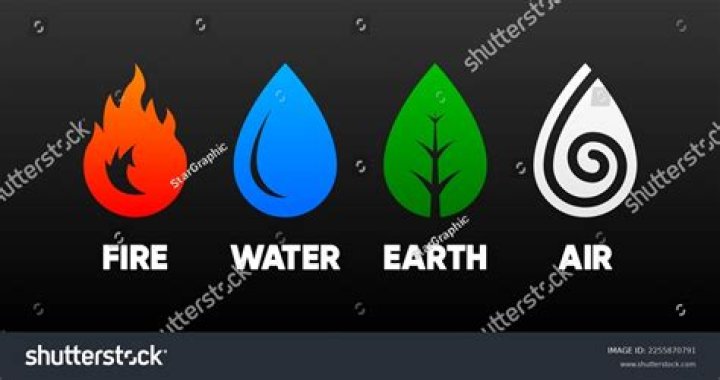
The concept of the four elements—fire, water, air, and earth—has fascinated humans for centuries, serving as a foundation for understanding the natural world. These elements are not just physical substances, but they also symbolize deeper philosophical and spiritual meanings. Throughout history, different cultures have attributed various characteristics and properties to each element, creating a rich tapestry of beliefs and interpretations. This article explores these elements comprehensively, delving into their historical significance, cultural interpretations, and their relevance in modern times.
In ancient philosophies, particularly in Greek, Hindu, and Chinese traditions, fire, water, air, and earth were considered the essential building blocks of life. They represented different aspects of nature and the universe, providing a framework for understanding the complexities of the world around us. These elements have been used to explain natural phenomena, human behavior, and even to predict the future. As we delve into this topic, we'll uncover the various ways these elements have been perceived and utilized across different cultures, highlighting their enduring significance.
Despite the scientific advancements that have greatly expanded our understanding of the natural world, the four elements continue to hold symbolic value. In contemporary spirituality and alternative healing practices, these elements are often invoked to restore balance and harmony. By examining the characteristics and associations of fire, water, air, and earth, we can gain insight into their ongoing influence and explore how they can be applied to enhance personal growth and well-being. Through this exploration, we hope to provide a comprehensive understanding of whatigns are fire, water, air, and earth, emphasizing their timeless relevance.
Historical Significance of the Four Elements
The concept of the four elements has its roots in ancient civilizations, where they were seen as the fundamental components of the universe. In ancient Greece, philosophers like Empedocles and Aristotle proposed that everything in the world was composed of these four elements, each with its own qualities and characteristics. Empedocles suggested that the elements were eternal and unchanging, but could combine in various ways to form all matter.
In Hinduism, the elements are known as "Pancha Mahabhutas" and are considered essential to the creation and sustenance of life. Each element is associated with a specific sense and a cosmic function. Similarly, in Chinese philosophy, the elements, known as "Wu Xing," are part of a dynamic system that describes interactions and relationships in nature.
These ancient philosophies laid the groundwork for subsequent theories and practices that have evolved over the centuries. The elements were used to explain natural phenomena, and they played a crucial role in the development of early science and medicine. Their symbolic meanings have permeated various aspects of culture and spirituality, making them a cornerstone of human understanding.
Fire Element: The Force of Transformation
The fire element is often associated with energy, passion, and transformation. It represents the power of change and the ability to transcend limitations. In many cultures, fire is seen as a purifying force, capable of cleansing and renewing. It is also associated with the sun, which is a source of light and life.
In astrology, the fire signs—Aries, Leo, and Sagittarius—are characterized by enthusiasm, creativity, and a dynamic nature. Fire is seen as a driving force that propels individuals towards their goals, inspiring action and initiative.
Symbolically, fire represents the spark of inspiration and the flame of ambition. It is a reminder of the potential for growth and transformation that resides within each of us. Whether in the form of a candle's gentle glow or a roaring bonfire, fire captivates our imagination and fuels our desires.
Water Element: The Essence of Life
Water is often viewed as the element of emotion, intuition, and healing. It is essential for life, nurturing both the body and the spirit. In many cultures, water is associated with purification, renewal, and fertility. It is a symbol of adaptability and flow, capable of taking on different forms to suit its environment.
Astrologically, the water signs—Cancer, Scorpio, and Pisces—are known for their sensitivity, empathy, and depth of feeling. Water embodies the qualities of intuition and emotional intelligence, guiding individuals to navigate the complexities of the human experience.
Water's ability to shape and be shaped by its surroundings makes it a powerful metaphor for resilience and perseverance. It reminds us of the importance of staying fluid and open to change, allowing us to find our own path through life's challenges.
Air Element: The Breath of Life
The air element is associated with intellect, communication, and freedom. It represents the realm of ideas and the ability to think critically and creatively. Air is often linked to the breath, symbolizing the life force that sustains us.
In astrology, the air signs—Gemini, Libra, and Aquarius—are characterized by their curiosity, sociability, and analytical nature. Air encourages exploration and the exchange of ideas, fostering innovation and progress.
As a symbol, air represents the power of thought and the importance of communication in building connections. It reminds us of the value of listening and sharing, helping us to understand and appreciate diverse perspectives.
Earth Element: The Foundation of Existence
Earth is often seen as the element of stability, grounding, and practicality. It represents the physical world and the material aspects of life. In many cultures, earth is associated with fertility, abundance, and the cyclical nature of life.
Astrologically, the earth signs—Taurus, Virgo, and Capricorn—are known for their reliability, patience, and practicality. Earth embodies the qualities of perseverance and determination, encouraging individuals to build solid foundations and achieve lasting success.
As a symbol, earth represents the importance of staying grounded and connected to the natural world. It reminds us of the value of hard work and the rewards of nurturing and cultivating our surroundings.
Cultural Interpretations of the Elements
Across cultures, the elements have been interpreted in various ways, reflecting the unique beliefs and values of different societies. In Native American traditions, the elements are often seen as living beings, each with its own spirit and purpose. They are honored and respected as integral parts of the natural world.
In Japanese culture, the elements are known as "Godai" and include earth, water, fire, wind, and void. These elements are seen as essential components of existence, each playing a role in the balance and harmony of the universe.
These cultural interpretations highlight the diverse ways in which the elements have been understood and revered throughout history. They remind us of the interconnectedness of all things and the importance of respecting and honoring the natural world.
Elements in Modern Times
In contemporary society, the elements continue to hold significance in various fields and practices. They are often used as metaphors in literature, art, and film, symbolizing different aspects of the human experience. The elements are also invoked in alternative healing practices, such as Ayurveda and Traditional Chinese Medicine, where they are used to restore balance and promote well-being.
In environmental science, the elements are studied to understand the complex interactions between the earth's systems and the impact of human activity. They serve as a reminder of the importance of preserving and protecting the natural world for future generations.
The enduring relevance of the elements in modern times underscores their timeless significance and their ability to inspire and inform our understanding of the world around us.
Spiritual Meanings and Applications
The elements hold profound spiritual meanings, often representing different aspects of the self and the journey of personal growth. In many spiritual traditions, the elements are used as tools for meditation and self-reflection, helping individuals connect with their inner selves and the divine.
Fire is often seen as a symbol of transformation and purification, representing the process of letting go of the old to make way for the new. Water is associated with healing and emotional release, helping individuals to cleanse and renew their spirits. Air represents clarity and insight, encouraging individuals to explore new ideas and perspectives. Earth symbolizes grounding and stability, providing a foundation for personal growth and development.
These spiritual meanings offer valuable insights into the ways in which the elements can be used to enhance personal growth and well-being. They remind us of the importance of staying connected to the natural world and our own inner wisdom.
Elements and Human Behavior
The elements are often used as metaphors for different personality traits and behaviors, providing a framework for understanding human nature. Fire is associated with passion and intensity, while water represents sensitivity and intuition. Air embodies the qualities of intelligence and communication, while earth represents practicality and stability.
These associations offer valuable insights into the ways in which the elements can influence our thoughts, feelings, and actions. They remind us of the importance of embracing and balancing the different aspects of our personalities, helping us to navigate the complexities of life with grace and understanding.
Elements in Astrology
In astrology, the elements are used to classify the twelve zodiac signs into four groups, each associated with a specific element. The fire signs—Aries, Leo, and Sagittarius—are characterized by their enthusiasm and passion. The water signs—Cancer, Scorpio, and Pisces—are known for their sensitivity and emotional depth. The air signs—Gemini, Libra, and Aquarius—are associated with intellect and communication. The earth signs—Taurus, Virgo, and Capricorn—are known for their practicality and stability.
These elemental associations offer valuable insights into the ways in which the signs interact with one another and influence individual personalities. They remind us of the importance of embracing and balancing the different aspects of ourselves, helping us to navigate the complexities of life with grace and understanding.
Elements in Alchemy
In alchemy, the elements are seen as essential components of the process of transformation and transmutation. They represent different stages of the alchemical process, each with its own symbolic meaning and significance.
Fire is often associated with the process of calcination, representing the purification and refinement of the self. Water is linked to the process of dissolution, symbolizing the release of old patterns and beliefs. Air is associated with the process of separation, representing the discernment and clarification of ideas. Earth is linked to the process of coagulation, symbolizing the integration and manifestation of new insights and wisdom.
These alchemical processes offer valuable insights into the ways in which the elements can be used to facilitate personal growth and transformation. They remind us of the importance of embracing and integrating the different aspects of ourselves, helping us to realize our full potential.
Elements in Healing Practices
In alternative healing practices, the elements are often used to restore balance and promote well-being. In Ayurveda, for example, the elements are used to describe different doshas, or constitutional types, each with its own unique characteristics and tendencies.
In Traditional Chinese Medicine, the elements are used to describe the different organ systems and their functions. Each element is associated with specific qualities and functions, helping practitioners to identify and address imbalances in the body.
These healing practices offer valuable insights into the ways in which the elements can be used to enhance health and well-being. They remind us of the importance of staying connected to the natural world and our own inner wisdom, helping us to achieve balance and harmony in our lives.
Elements and the Environment
The elements play a crucial role in the environment, influencing the earth's systems and the balance of life. Fire, water, air, and earth are essential components of the natural world, each with its own unique properties and functions.
Fire is often seen as a force of destruction and renewal, helping to clear and regenerate ecosystems. Water is essential for life, providing the sustenance and nourishment needed for growth and development. Air is vital for respiration and the exchange of gases, supporting the health and well-being of all living things. Earth provides the foundation and support needed for life, sustaining and nurturing the natural world.
These environmental functions offer valuable insights into the ways in which the elements can be used to understand and protect the natural world. They remind us of the importance of preserving and respecting the environment, helping us to ensure a sustainable and harmonious future for all.
Elements in Literature and Art
The elements have long been a source of inspiration for artists and writers, serving as powerful symbols and metaphors in literature and art. Fire, water, air, and earth are often used to represent different aspects of the human experience, providing a framework for exploring themes of transformation, emotion, and connection.
In literature, the elements are often used to symbolize different character traits and motivations, helping to create complex and multidimensional narratives. In art, the elements are often depicted in various forms, capturing their beauty and power in vivid and imaginative ways.
These artistic interpretations offer valuable insights into the ways in which the elements can inspire and inform our understanding of the human experience. They remind us of the importance of creativity and imagination, helping us to explore and express the complexities of life with depth and insight.
Conclusion
The elements of fire, water, air, and earth continue to hold significance in our world, providing a framework for understanding the complexities of life. From their historical roots in ancient philosophies to their modern applications in spirituality, healing, and art, these elements remind us of the interconnectedness of all things and the importance of staying connected to the natural world.
By exploring the characteristics and associations of these elements, we can gain valuable insights into their enduring relevance and discover new ways to apply them to enhance personal growth and well-being. Ultimately, the elements inspire us to embrace the different aspects of ourselves and the world around us, helping us to navigate the complexities of life with grace and understanding.
Frequently Asked Questions
1. What are the four elements and their significance?
The four elements—fire, water, air, and earth—are fundamental components of the natural world, each with its own unique properties and significance. They represent different aspects of nature and the universe, providing a framework for understanding the complexities of life.
2. How are the elements used in astrology?
In astrology, the elements are used to classify the twelve zodiac signs into four groups, each associated with a specific element. These elemental associations offer valuable insights into the ways in which the signs interact with one another and influence individual personalities.
3. How do the elements relate to human behavior?
The elements are often used as metaphors for different personality traits and behaviors, providing a framework for understanding human nature. They offer valuable insights into the ways in which the elements can influence our thoughts, feelings, and actions.
4. How are the elements used in healing practices?
In alternative healing practices, the elements are often used to restore balance and promote well-being. They are used to describe different doshas, organ systems, and their functions, helping practitioners to identify and address imbalances in the body.
5. How do the elements influence the environment?
The elements play a crucial role in the environment, influencing the earth's systems and the balance of life. They are essential components of the natural world, each with its own unique properties and functions.
6. How are the elements used in literature and art?
The elements are often used as powerful symbols and metaphors in literature and art, representing different aspects of the human experience. They provide a framework for exploring themes of transformation, emotion, and connection.
For more information on the elements and their significance, you can visit the Encyclopedia Britannica.
Related Archive

The Incredible Cast Van Transformers: Rise of the Beasts - A Journey into Cinematic Excellence
Exploring the Western Tidewater Regional Jail in Suffolk, Virginia

Unveiling the Life and Legacy of Antony Tarr's Wife: A Journey of Love and Resilience